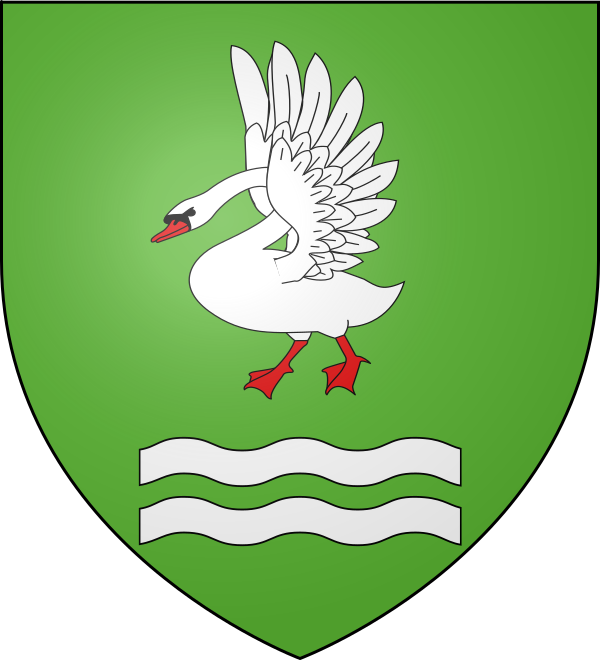
Chigny
A charming village in Thiérache, Aisne
A charming village in Thiérache, Aisne
Chigny is a French commune in the Aisne department, in the Hauts-de-France region. Nestled in the heart of Thiérache, this small village of around 140 inhabitants lies about ten kilometres east of Guise, 14 km from Vervins, and 41 km from Laon, the departmental capital.
The village belongs to the canton of La Capelle and the arrondissement of Vervins. A rural commune with dispersed housing, Chigny embodies the peace and authenticity of the Picardy countryside.
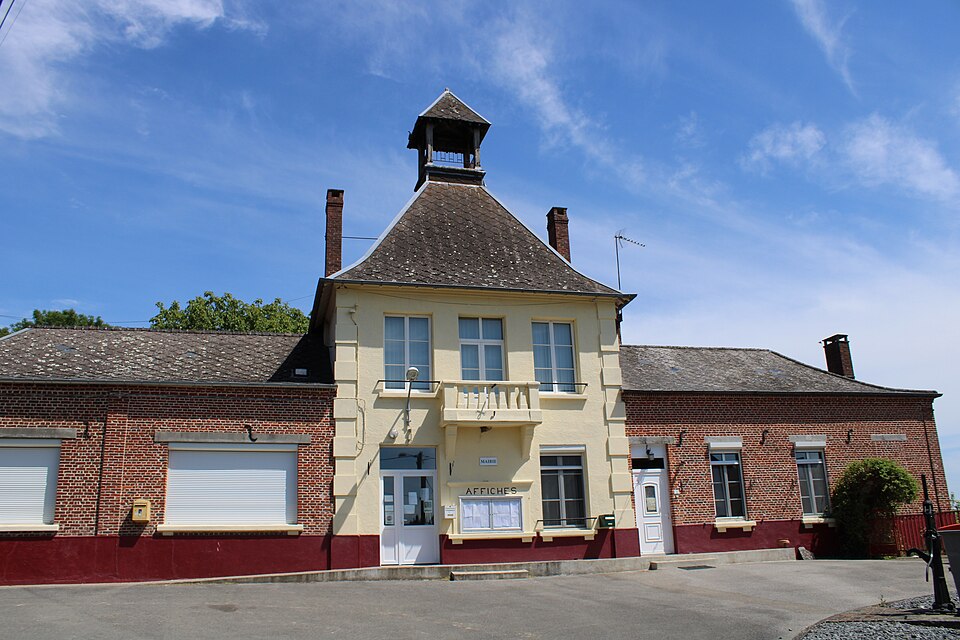
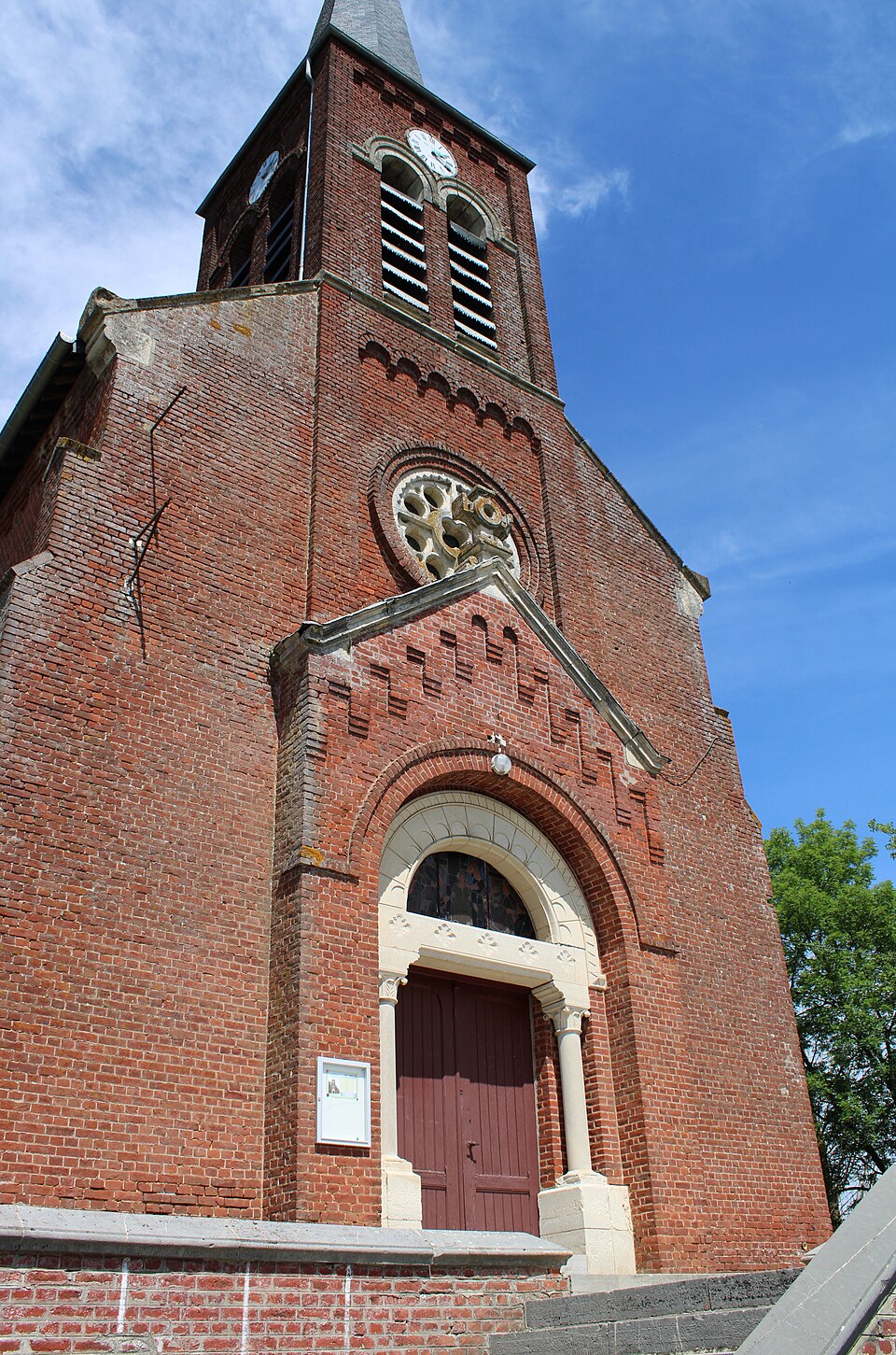
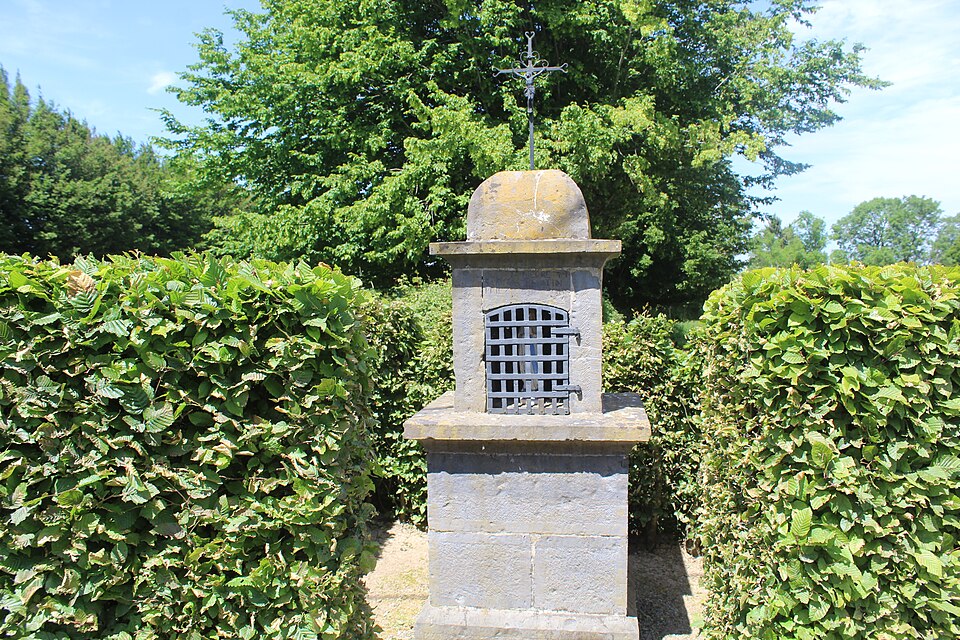
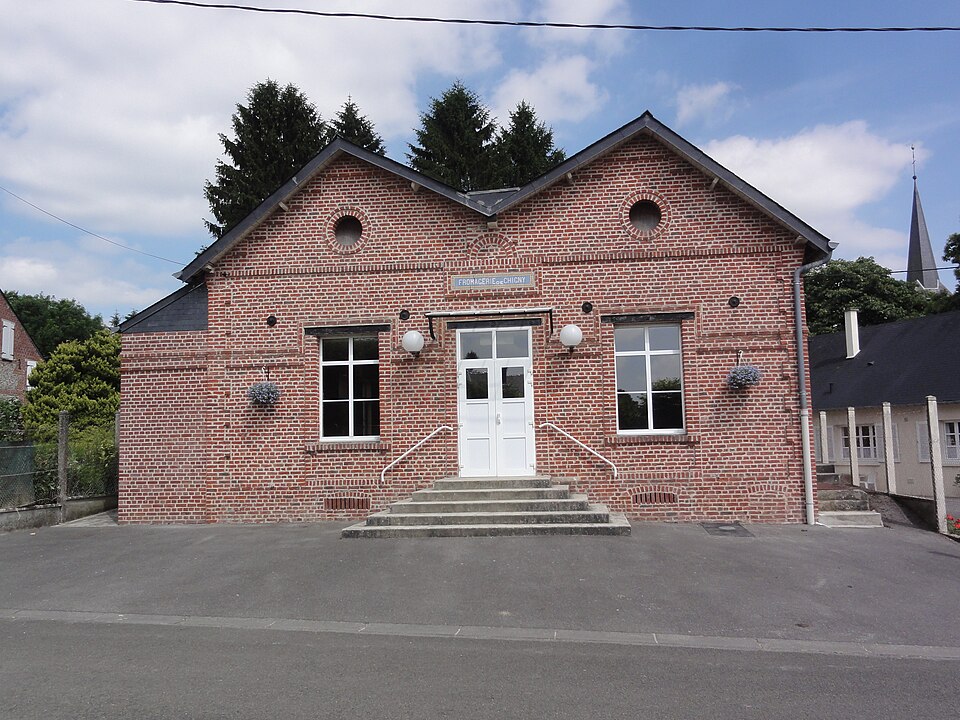
Local heritage includes the Church of Saint-Quentin, a blue stone chapel, a former wash house, and old cheese dairies — witnesses to the region's cheese-making tradition. The village also has a bandstand, a relic of its once-lively social scene.
The nearest markets are held in Guise (Saturday, 10 km), Vervins (Saturday, 14 km), and Hirson (Monday and Thursday, 23 km).
The history of Chigny is closely tied to that of the Duchy of Guise. Under the Ancien Régime, the village fell under the généralité of Soissons, the bailliage and élection of Guise, within the diocese of Laon. Like many villages in Thiérache, Chigny has weathered centuries of conflict in this border region.
Situated at the crossroads of Europe's great powers, Thiérache was a theatre of relentless warfare from the 14th to the 18th century. It was to protect themselves from passing armies and plunderers that the inhabitants fortified the region's churches — a unique heritage of which more than sixty buildings still stand.
The Great War left deep scars on the village and its surroundings. On 29 August 1914, the Battle of Guise — just 10 km from Chigny — pitted the French 5th Army under General Lanrezac against Von Bülow's German 2nd Army. This fierce engagement, which claimed nearly 5,000 French and 6,000 German casualties, slowed the enemy advance and contributed to the turnaround that would lead to the Battle of the Marne.
For four years, Thiérache lived under German occupation. It was not until November 1918, during the Second Battle of the Sambre, that Allied troops liberated Guise and the surrounding area. Villages, including Chigny, emerged scarred from the conflict. Reconstruction would be long — as witnessed by the blessing of Chigny's new church bell on 4 December 1921.
Thiérache is a natural region in north-eastern France, straddling the Aisne and Nord departments. It is famed for its bocage landscape — a patchwork of hedgerows, rolling meadows, and woodlands — reminiscent of Normandy and considered one of the most beautiful hedge landscapes in France.
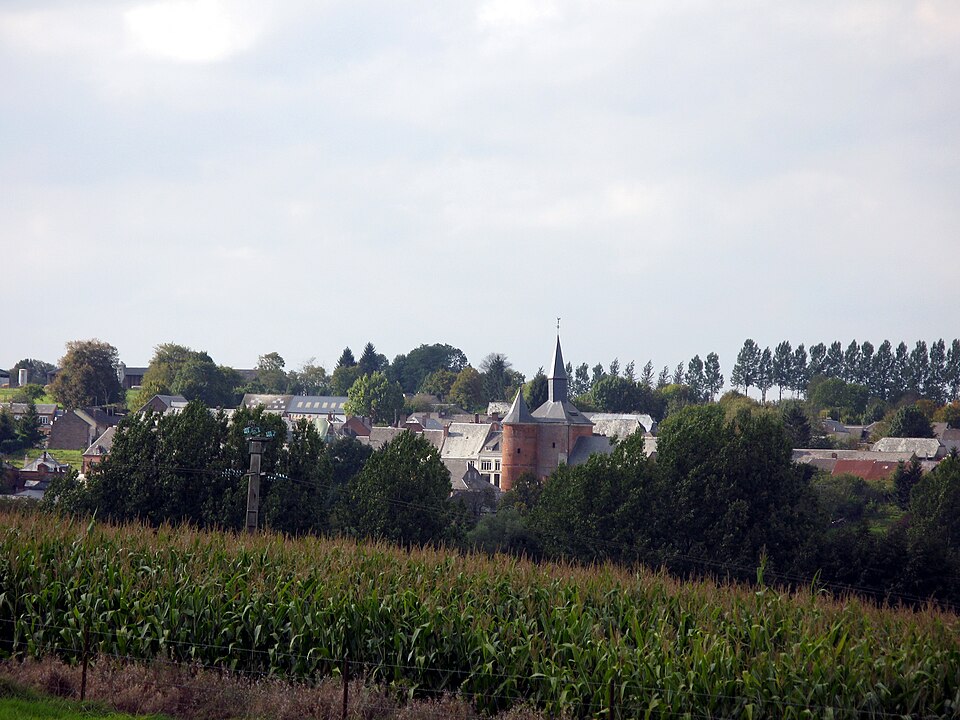
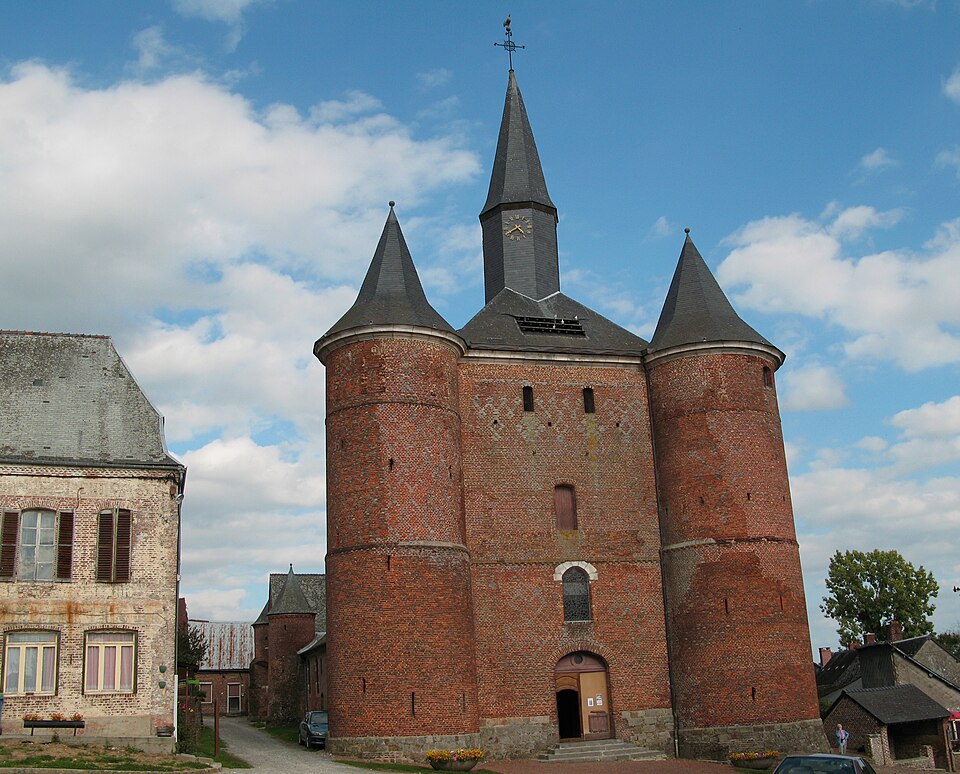
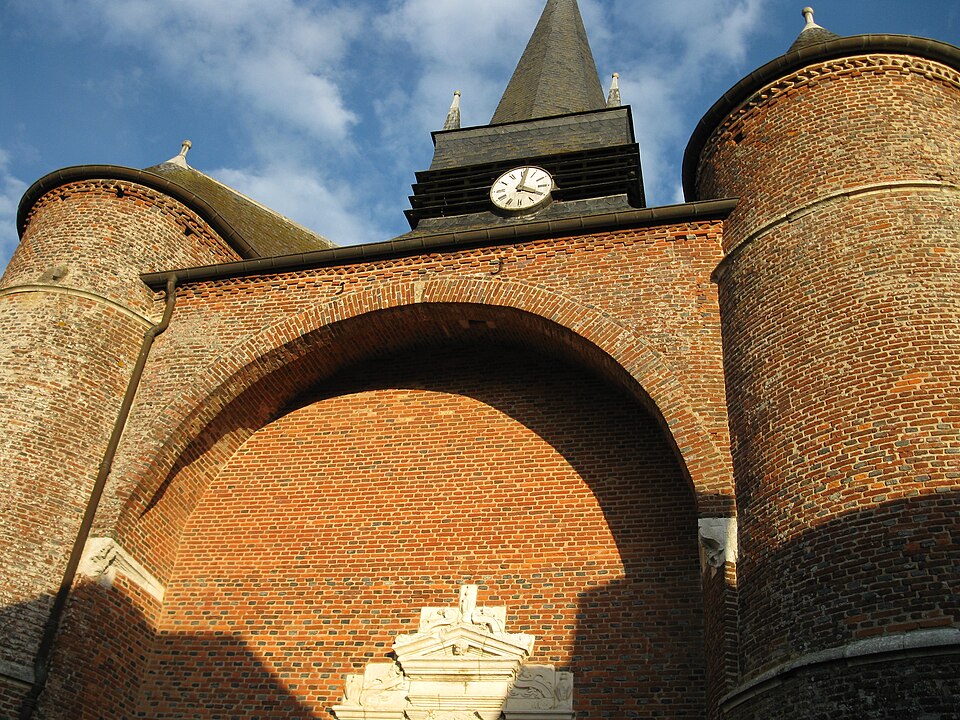
Thiérache is best known for its fortified churches, of which more than sixty still stand today. Built or transformed between the 16th and 17th centuries, these remarkable buildings served as refuges for villagers during the endless wars that ravaged this border region. Towers, turrets, machicolations, arrow slits, and watchtowers all bear witness to those turbulent times.
The region is also renowned for Maroilles, a soft washed-rind cheese produced here since the 7th century. The Familistère de Guise, a 19th-century social utopia founded by industrialist Jean-Baptiste André Godin, is another landmark of Thiérache.
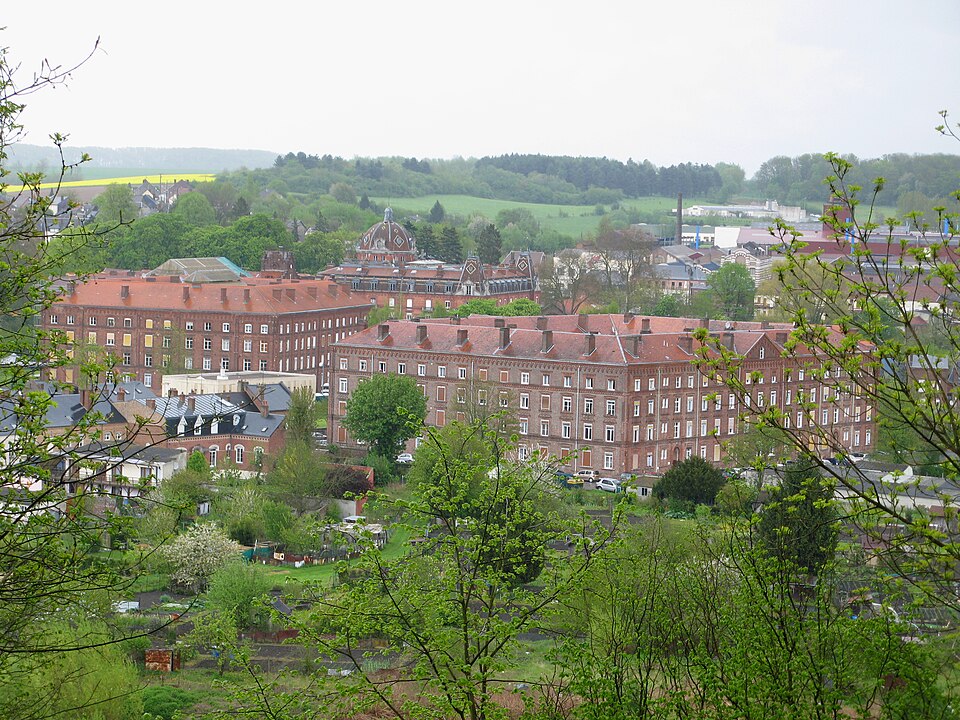
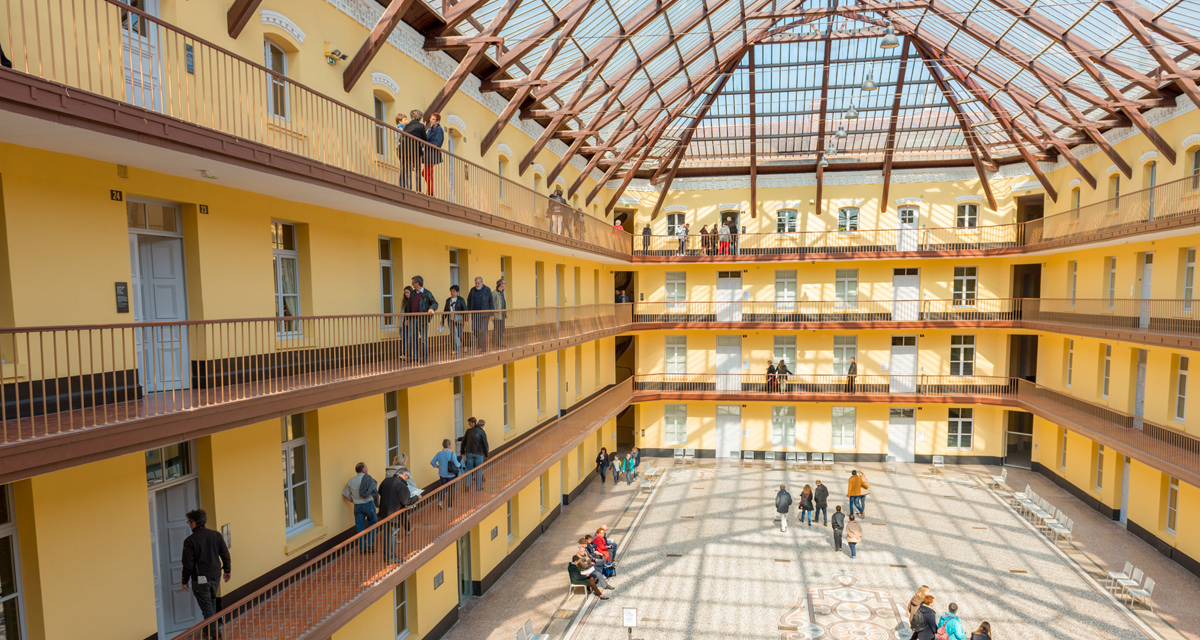
Notable places nearby include Parfondeval, listed among the Most Beautiful Villages of France (34 km), the Forest of Mormal, the largest forest in the region (31 km), Laon and its Gothic cathedral (41 km), and Saint-Quentin with its remarkable 16th-century town hall (35 km).
Discover more about Chigny and Thiérache: